

In the heart of Fort Worth, Liam stands in the main sanctuary, where the afternoon sun slices through the high windows and makes the room feel warm and heavy with silence. It is a stark contrast to the thundering worship and the two thousand people who fill these seats on Sunday mornings. As the executive pastor of this thriving North Texas church, he finds peace in the quiet.
Liam takes his role as a church leader seriously. As the executive pastor, he can’t help but see how his church is full of potential financial and reputational risks. On his desk upstairs lies a proposal for a major youth and children's expansion, including new playground equipment and an outdoor amphitheater. It is a dynamic vision for the church strategic plan, but sitting next to it is both the insurance renewal and the church's risk assessment plan.
As a member of his church leadership team, Liam’s heart is for building outreach and maintaining facilities, not deciphering the jargon of risk management. He needs a roadmap to assess every aspect of his organization. That is why he reached out to us at Insurance For Texans. We aren't just an insurance agency. We are Texas church insurance experts and understand that your mission is too important to leave to a generic plan.

Physical Infrastructure and Stewardship
The first thing we tell Liam is that he has to look at the risks made of brick, mortar, and shingles. In Texas, natural disasters are a common case scenario, and church buildings can take a beating. A key to a good risk management plan starts with protecting the church's buildings. In addition to the buildings themselves, churches need a plan to address the liability associated with having visitors come through those buildings.
-
Roof Durability and Weather: Roof damage from hail is the single biggest weather related insurance claim in the DFW metroplex. We help Liam understand hail damage basics and how they impact his property insurance. We also discuss how a compromised roof can lead to expensive water damage inside the building as well. Additionally, we talk about how a commercial roof is viewed by insurance carriers. Many carriers now use high deductibles, roof payment schedules, and actual cash value payouts to shift costs back to the organization. Managing roof durability and age is a massive part of risk mitigation.
-
Physical Security Measures: We walk the visitor's path with Liam to spot potential problems. Access control systems, surveillance cameras, and intrusion detection systems play a role in a modern church security program. Church policies and security protocols are also vital.
-
General Liability and Safety: We look for cracks in the sidewalk, uneven steps, or loose handrails that could lead to slips and falls. Additionally, we inquire about the church's visitor management systems. This is also when we review the church’s general liability insurance policy. It protects the organization from the legal risks associated with property damage or bodily injury to visitors that occur on the premises. It also has limited coverage for violations of the church's privacy policy, advertising injury and slander. Both risk assessment and risk management go hand in hand with reliable church insurance coverage. A robust church safety plan requires addressing both areas.
Fire Safety and Hazards: More Than Just a Red Extinguisher
Next, we perform a deep-dive into the church's fire safety protocols. This means verifying that fire alarm systems are monitored 24/7 and that the fire sprinkler heads aren’t obstructed by storage items or holiday decorations. Liam understands that in a large facility, a small spark can become a catastrophic loss quickly.
We pay special attention to the kitchen team and their food prep areas. A commercial-grade kitchen is a high-risk zone for fire hazards. We focus on several areas of the kitchen and remind Liam of their safety requirements.
- Hood Suppression Systems: Ensuring they are professionally inspected every six months.
- Grease Trap Maintenance: To prevent flash fires that can spread through the ductwork.
- Fire Safety Policy: We review the written plan for how volunteers should react—knowing where the nearest exit is and how to use fire extinguishers.
Facility Management: The Stewardship of Infrastructure
Facility management is where many churches inadvertently gamble with their future. Outdated electrical systems or expired fire extinguishers aren't just minor maintenance issues, they are massive legal risks. We verify that Liam has asset management systems in place to track the lifespan of the church’s physical infrastructure.
A faulty electrical panel or outdated wiring poses a risk for fire. We also discuss the church's plumbing and appliances. Regular maintenance of water heaters, ice machines, and dishwashers is the key to preventing water damage. Moisture often leads to mold and expensive remediation. Effective risk management means fixing a leak before it becomes a big problem.
The Human Element and Ministry Programs
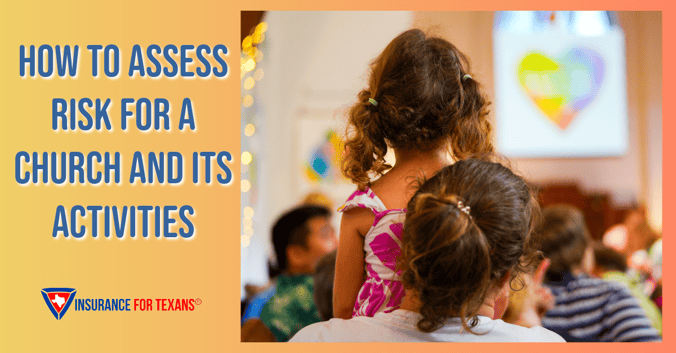
Risk is at its absolute highest when we are working with vulnerable populations. For Liam, the children’s outreach is the heart of the church’s mission, but it is also where the stakes are most significant. Houses of worship provide these vital programs as a service to the community, but without an intentional church safety plan, they carry heavy legal risks.
We help Liam see that trust is not a risk management strategy. We need documented security protocols that protect children, volunteers, and the church's reputation simultaneously.
Abuse Prevention and Screening: The Gatekeeper Strategy
Every religious organization needs ironclad church policies regarding minors. We review Liam’s screening process to ensure it isn't just a formality. A robust program includes:
- Comprehensive Background Checks: Going beyond a simple name search to include multi-state criminal databases and sex offender registries.
- Reference Checks: Actually calling previous churches or employers to verify character.
- The Six-Month Rule: We recommend that only established church members who have been active for at least six months be allowed to work with children. This prevents predatory individuals from gaining immediate access to your youth.
The Two-Adult Rule: Protecting Everyone in the Room
A robust abuse prevention strategy relies on a simple but strict rule: the two-adult rule. No child is ever left one-on-one with an adult. No exceptions. This protocol acts as a dual-sided shield. It protects the child from potential harm and protects the volunteer from false accusations.
Liam also ensures that his security protocols cover high-vulnerability moments, like diaper changes in the nursery and daycare wings. By requiring that only female volunteers handle diapering and that they remain in view of another adult, the church creates a culture of transparency that deters bad actors.
Sexual Misconduct Liability: Your Financial Firewall
Because even the most perfect screening process can be challenged in a courtroom, we include sexual misconduct liability (often called Abuse and Molestation Coverage) as a financial firewall.
Most leaders are shocked to learn that a standard general liability insurance policy often explicitly excludes these types of claims. This specialized coverage provides the funds for a vigorous legal defense and, more importantly, provides resources for victim support and counseling should an allegation arise.
It is the ultimate safety net for this reputational risk.
The Volunteer Safety and Security Team: Professionalism Over Presence
A security team needs more than just a radio and a badge, they need regular refresher training on targeted violence prevention and emergency action plans. We discuss how Liam’s team should respond to bomb threats or an active shooter scenario without escalating the situation.
Church security requires dedicated volunteers who understand de-escalation and when to hand the situation over to law enforcement. We move away from the guardian mindset and toward a hospitality-first security approach, where the team is trained to spot surveillance detection cues while still welcoming visitors.
Staff Protection: Caring for Your Greatest Asset
Even if you don't have a formal HR department, you have an obligation to both your church staff and your congregation. Background checks are an essential part of hiring any new staff member. In addition, an employee handbook and review of the safety library should be part of the onboarding process for new church employees.
Workers' Compensation Insurance is also an imperative part of a church's risk assessment plan. It ensures that if an injury report is filed, whether a custodian falls off a ladder or a secretary develops carpal tunnel syndrome, the team gets the medical treatment and employment protection that they need.
This proactive care prevents a workplace accident from spiraling into unemployment compensation claims or a compensation-related lawsuit. In the 2026 legal landscape, taking care of your employees isn't just good ministry. It is an essential risk analysis that prevents your reserves from being drained by litigation.
Administrative Integrity and Governance
While physical walls and people are obvious priorities, the invisible risks living in your filing cabinets and digital infrastructure are just as capable of derailing your mission. Modern houses of worship are prime targets for cyber threats, legal challenges over leadership decisions, and complex regulatory requirements that don't pause just because you are a nonprofit.
Leadership and D&O: Protecting Dedicated Volunteers
Liam’s board is made up of faithful volunteers, but in the eyes of the law, their role is similar to directors of a multi-million dollar corporation. Without Directors and Officers Insurance (D&O), their personal assets including their homes, retirement accounts, and savings are on the line for management decisions made during leadership meetings.
We explain to Liam how D&O insurance fits into an overall church risk management plan. This insurance provides coverage for:
- Mismanagement of Funds: Claims that a building project was mishandled or that restricted tithes were used for general operations.
- Breach of Fiduciary Duty: Accusations that a board member had a conflict of interest in a contract or failed to follow the church's own bylaws.
- Legal shield: Legal risks including legal fees, settlements, and other costs. It safeguards both the church's mission and future. Additionally, it is wise risk management for the church's dedicated volunteers.
The Digital Sanctuary: Guarding Online Activities
With the rise of online giving and digital member databases, Liam’s church is essentially a data hub. To a hacker, a church isn't a house of worship, it is a collection of credit card data and sensitive personal information. A data breach doesn't just cost money, it carries massive reputational risks. Cyber security is a vital part of any church security program.
We provide Liam with a cybersecurity checklist to protect his church's online activities:
- MFA Everywhere: Multi-factor authentication is the deadbolt for your church email and giving platforms.
- Phishing Tests: Regular training to help staff recognize impersonation scams where a hacker pretends to be someone that they are not.
- Cyber Infrastructure Audit: Review user roles so the worship intern doesn't have accidental access to the church's full financial history or an employee's internal revenue service data.
In addition to a solid prevention plan, every church needs a cyber liability policy. It is insurance designed to make your church whole again if a cyber criminal hacks into your online systems
Compliance and Legal: Navigating the Law of the Land
Churches are non-profit organizations, but they are still accountable to state and federal laws. Here are a few that we reviewed with Liam.
- Copyright Laws: We verify how to stay compliant with copyright laws.
- Immigration Laws: If Liam hires a pastor from abroad, he must navigate their work visa requirements, including strict membership rules and site visits from the Department of Homeland Security (DHS).
- Health and Safety Law: While churches have some ADA (Americans with Disabilities Act) exemptions for their church building, they are often subject to OSHA standards if they operate a school, daycare, or have more than 15 employees.
Our True Texas Church Insurance Program
After our time together, Liam takes a deep breath. He realizes that his church is not unique. Everyone faces certain risks. From playground equipment injuries to court subpoenas, these risks are a part of life under the sun. He appreciates that we looked at his church's risk mitigation plan from both a planning and an insurance coverage perspective.
At Insurance for Texans, this is part of our Promise of Certainty. Resilient ministries aren't built on luck. They are built on a discrete set of risk management strategies. And Texas church insurance isn't about just any old policy. We shop the entire market to build a plan that balances coverage with your church's total cost of risk.
Stop reacting to risks and start implementing a risk mitigation strategy. Don't leave your church's mission to chance.
Click the button below to allow our church insurance experts to build the protection your church deserves.